
Search the research desk.
Type a market, company or commodity and jump straight into the K2 report that covers it.
K2 Capital is a Hong Kong-based investment firm and a trusted channel to East and Southeast Asian investments, delivering disciplined strategies and customized portfolio solutions.
Opportunity moves across borders. K2 Capital, a trusted channel into East and Southeast Asian investments.
K2 Capital Limited · Hong Kong, China
[ What we do ]
From equities and natural gas to venture capital and franchising, across Mainland China, Hong Kong and Southeast Asia.
Read the research[ Portfolio ]
Funds, ventures and an institute across asset management, artificial intelligence, F&B and education.
Equity, commodity and thematic research from the K2 research team, on markets across Asia and beyond. Selected reports are open to everyone; clients get full access to every report.
Type a market, company or commodity and jump straight into the K2 report that covers it.

Partnerships, advisors, funds and portfolio news from K2 Capital and its companies.
Clients & recognition

[ Portfolio ]
From franchise licensing and F&B ventures to fund raises and AI acquisitions. Hover a row for a preview, select it to read the release.
[ Global Research ]
by K2 Capital Management
Gateway to strategic investment insights across Asia and beyond. Become a client to gain full access to every report.
[ News & Insights ]
by K2 Capital Management
Stay up to date with our latest news and insights.
[ Aether portfolio ]
[ Accelerators, partners and competitions ]
Press releases featuring Oliver Tedja and the firms he co-founded.
K2 Capital is advised by leaders from listed companies in China and from global financial services.
[ Contact ]
K2 Capital Limited, Hong Kong. Tell us what you are working on and the right person will get back to you.
Natural gas
The EU is moving to shut down Russian Gas Loopholes, targeting hidden flows through pipelines like TurkStream as it prepares for a full ban by 2027.
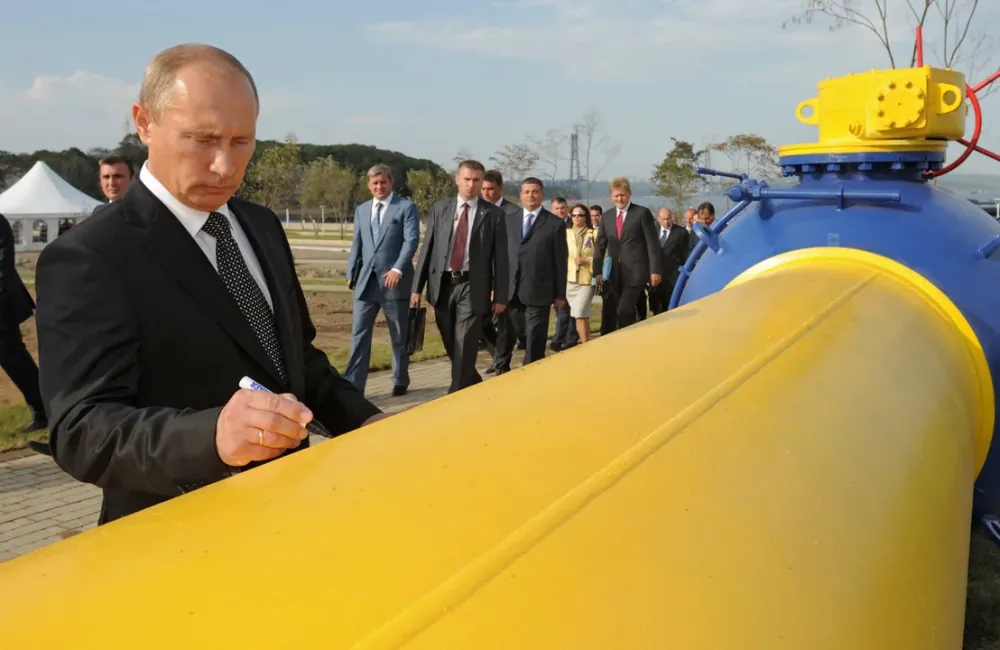
The European Union is moving to tighten enforcement around its planned ban on Russian natural gas, which is set to take effect by the end of 2027. Current proposals, led by Denmark during its EU presidency, would require importers to provide explicit proof that pipeline gas has not originated from Russia. The effort is aimed at closing Russian Gas Loopholes that allow disguised flows through third countries, particularly along the TurkStream pipeline, which remains a critical conduit for Russian supply into Europe. The initiative reflects Brussels’ broader strategy of eliminating hidden Russian energy exposure, similar to the challenges it has faced with crude oil, LNG shipments, and the shadow fleet that developed around sanctions.
The EU has already banned Russian oil and coal imports while steadily reducing pipeline gas dependency since the invasion of Ukraine in 2022. Deliveries of Russian pipeline gas to the bloc have fallen sharply, but flows through TurkStream, which transits Turkey into Southern and Eastern Europe, have persisted. By 2027, the EU intends to implement a full ban, but the risk of Russian Gas Loopholes undermining the policy is significant. Without stricter rules, Russian gas could be rebranded or blended through intermediaries before entering European markets. Denmark’s proposal seeks to close this gap by shifting the burden of proof to importers.
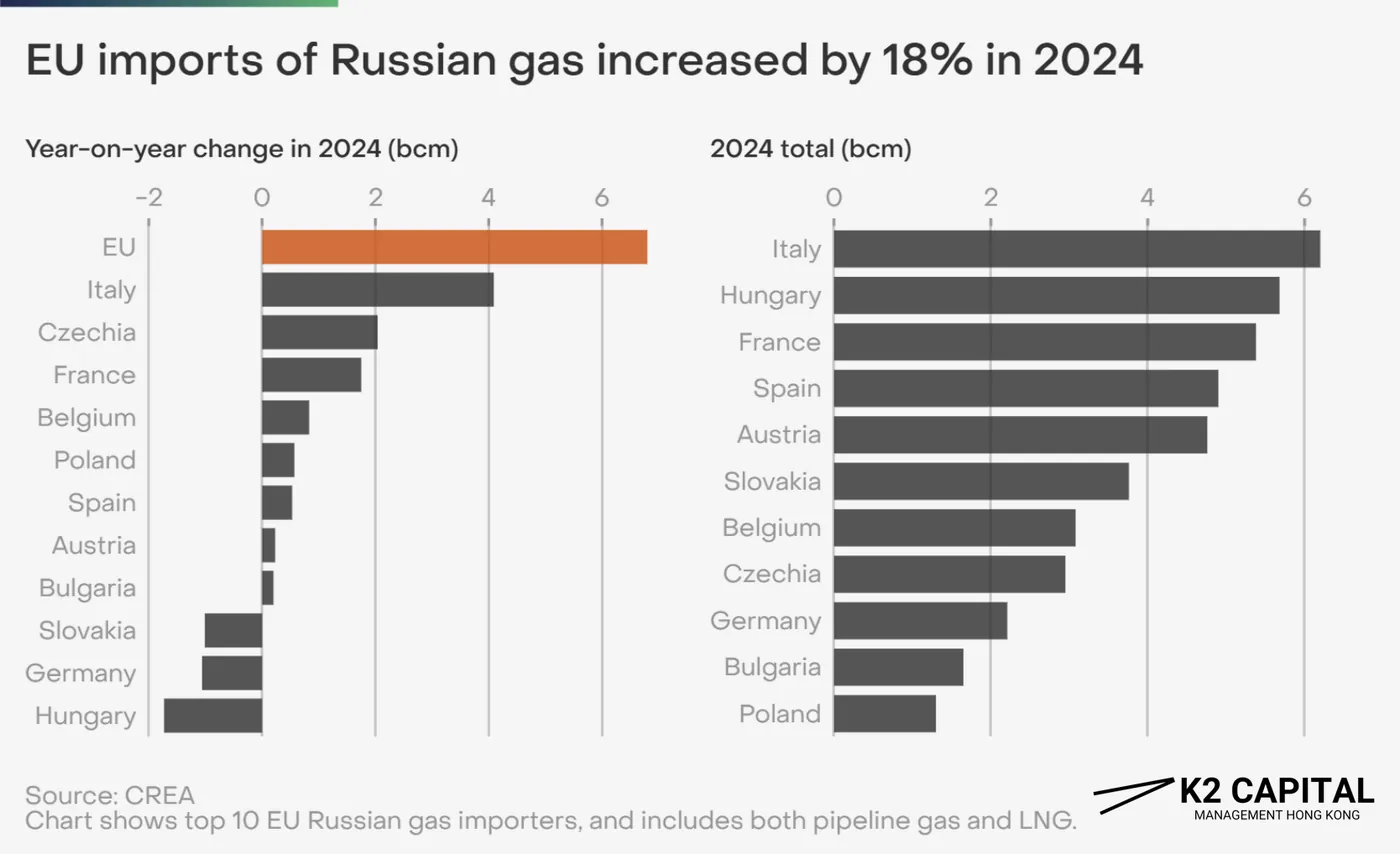
The Danish presidency has advanced a proposal to amend EU rules so that gas entering via TurkStream will automatically be presumed Russian unless there is clear evidence to the contrary. Importers would need to provide documentation proving that flows are of non-Russian origin, effectively cutting off the possibility of exploiting Russian Gas Loopholes through Turkey or other transit states. At the same time, Russia has announced new plans to expand its export capacity eastward, including a pipeline project into China. With India and China continuing to buy Russian hydrocarbons at scale, Moscow is not short of buyers, even as its European market shrinks.
For European gas markets, the proposed rules reinforce the structural shift toward LNG imports, Norwegian supply, and renewable alternatives. Traders may price in higher security-of-supply premiums ahead of 2027 if loopholes close sooner than expected. Turkey’s position as a key transit state will face greater scrutiny, potentially increasing Ankara’s leverage in negotiations with Brussels. For Russia, the policy accelerates its pivot to Asia, with China positioned as the long-term replacement market, though pricing and infrastructure timelines remain uncertain. Importers in the EU will face higher compliance costs as they must verify gas provenance, which requires new certification systems and monitoring mechanisms across utilities and midstream operators.
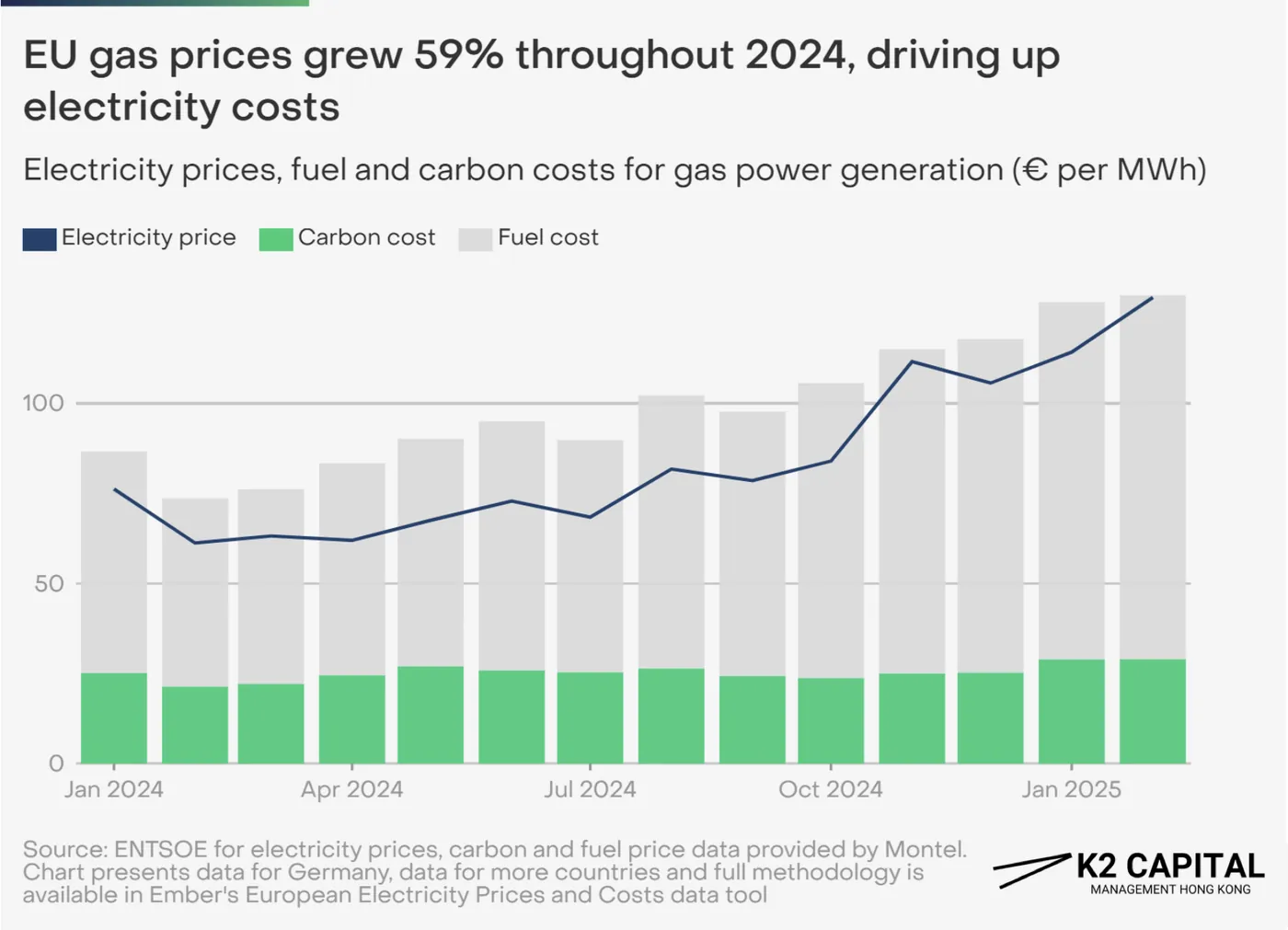
Despite the policy shift, loopholes remain a risk, as demonstrated by the persistence of Russian crude and LNG trades through shadow channels. Political unity within the EU may also be tested, as some member states remain reliant on TurkStream and could resist tighter restrictions. Global trade flows may rebalance, with Asian demand for Russian gas indirectly freeing up alternative LNG cargoes for Europe. Friction could also emerge between Brussels and Ankara if Turkey is accused of enabling circumvention, underscoring the ongoing challenge of shutting down Russian Gas Loopholes entirely.
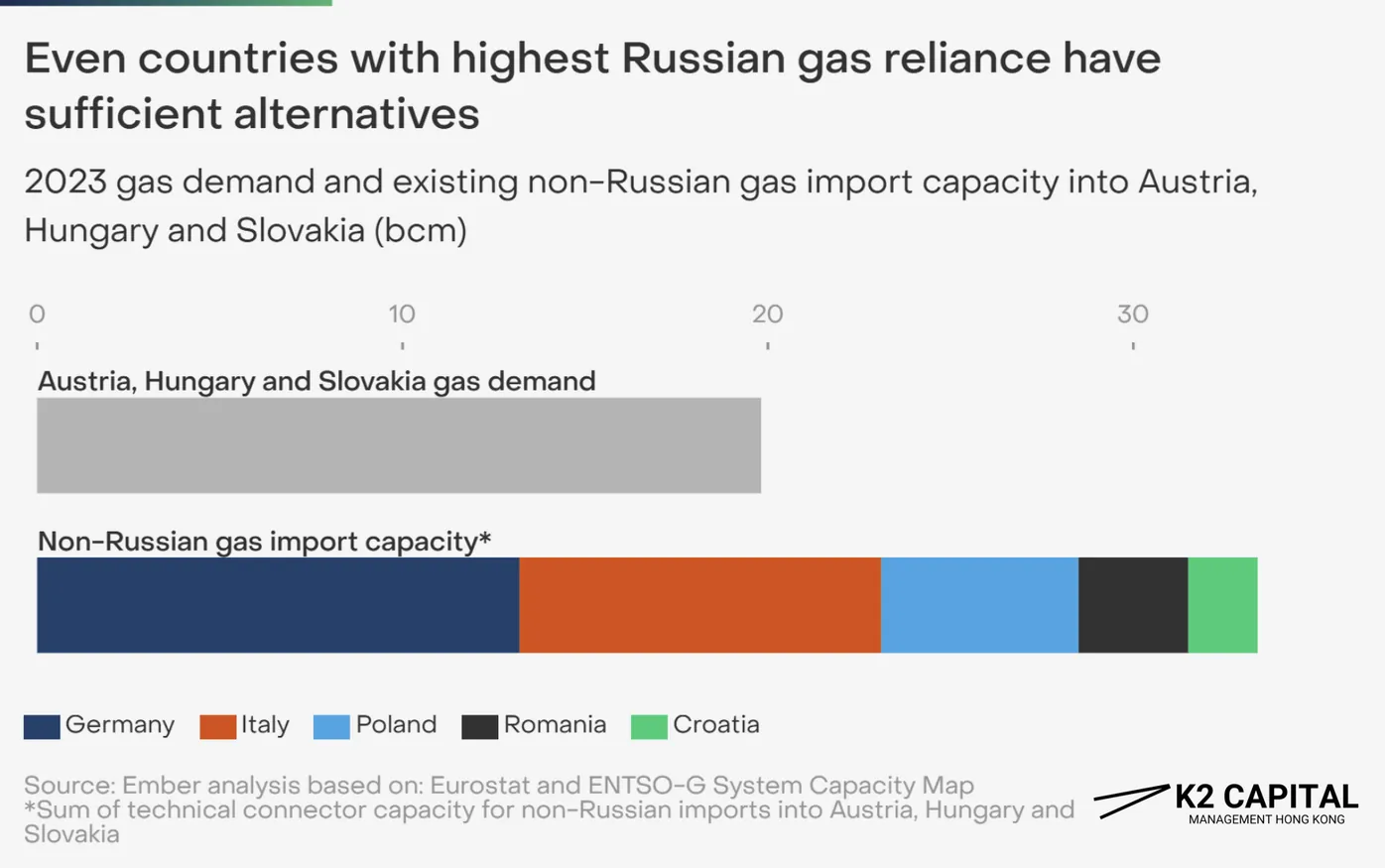
The EU’s push to close Russian Gas Loopholes is less about immediate supply disruption and more about future-proofing sanctions ahead of the 2027 ban. By presuming Russian origin for TurkStream flows unless proven otherwise, Denmark’s proposal raises the cost and difficulty of disguising Russian gas. For investors, this development strengthens the case for LNG infrastructure buildout, continued volatility in European gas benchmarks, and a persistent geopolitical risk premium in energy markets.
Bloomberg: EU Seeks to Close Off Russian Gas Flow Loopholes
Become a client to gain full access to every K2 report.

Why the component accounting for 30–50% of humanoid robot cost is the highest-conviction investment in the next industrial revolution.

Kuaishou Technology is China’s second-largest short video and live streaming platform, with 401 million daily active users and 735.6 million monthly active users as of Q4 2024.
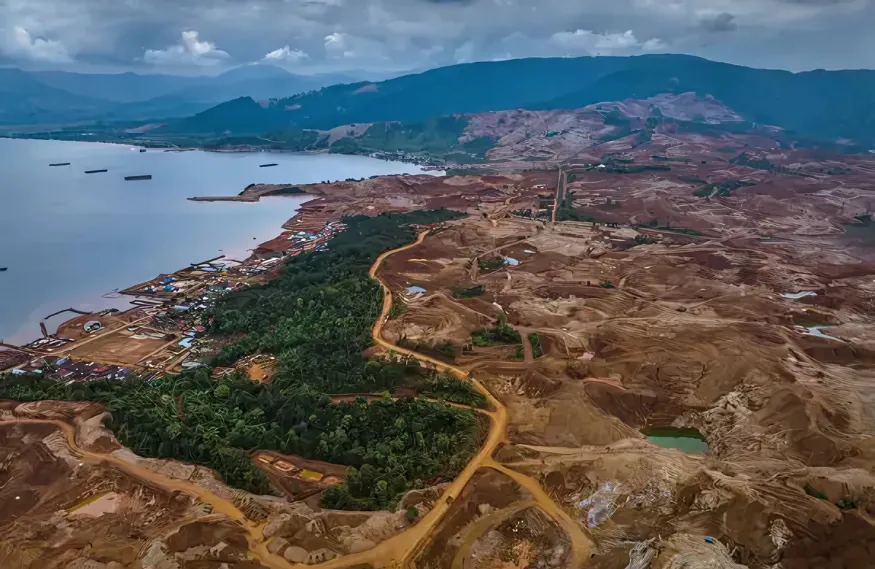
How Jakarta’s resource nationalism is reshaping EV supply chains, LME pricing and the geopolitics of critical minerals, and where capital should be positioned.